China Railway Group Eyes US$600 Million to Revive Four Zimbabwe Gold Mines
Zimbabwe-focused miner Duration Gold has signed an agreement with China Railway Resources Group to explore more than US$600 million of investment to revive and expand four historic gold mines, the companies said on Thursday, 26 November 2026.
Summary
Zimbabwe-focused miner Duration Gold has signed an agreement with China Railway Resources Group to explore more than US$600 million of investment to revive and expand four historic gold mines, the companies said on Thursday, 26 November 2026. The deal, signed in Harare, could create more than 5,000 permanent jobs if it goes ahead in full.
Zimbabwe-focused miner Duration Gold has signed an agreement with China Railway Resources Group to explore more than US$600 million of investment to revive and expand four historic gold mines, the companies said on Thursday, 26 November 2026. The deal, signed in Harare, could create more than 5,000 permanent jobs if it goes ahead in full.
The memorandum of understanding was signed in Harare on Thursday by China Railway Resources Group chief executive Shi Yuan and Duration Gold managing director Allan Dolan. It provides a framework for the two companies to jointly develop four large-scale gold projects across the country.
Under the plan, China Railway Resources Group — a wholly owned subsidiary of China Railway Group — would contribute financing, technology and engineering expertise to Duration Gold's exploration and mine development projects. Duration Gold brings its existing mining assets and its experience in Zimbabwe's gold sector.
The four mines
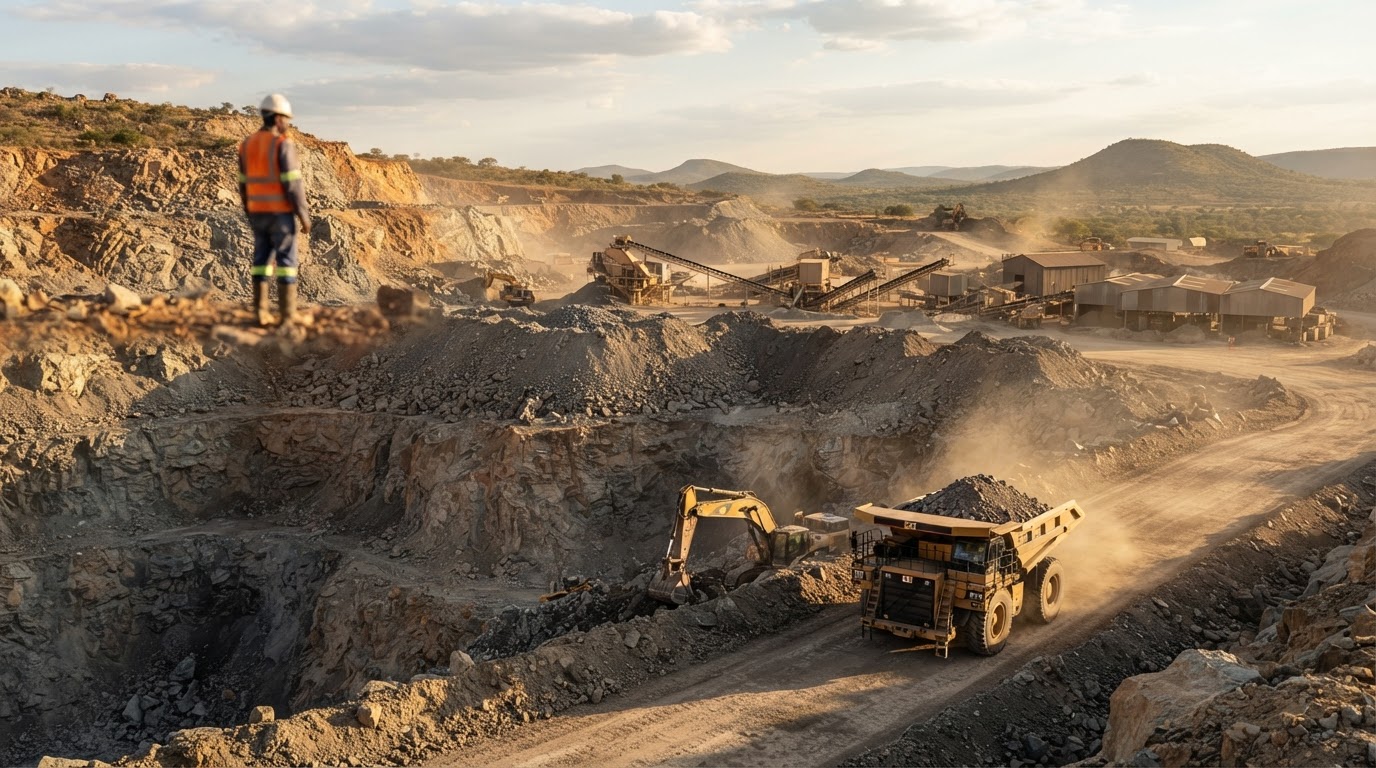
The planned investment covers Duration Gold's Vubachikwe mine in Gwanda, the Gaika project in Kwekwe, the Athens project in Mvuma, and the Filabusi project, which incorporates the Royal Family claims block. All four are brownfield assets with a history of gold production spanning several decades.
The companies say the partnership is expected to create more than 5,000 permanent jobs and generate hundreds of millions of dollars in corporate taxes and royalties for the Government if the projects are fully developed.
What it is — and what it is not yet
A memorandum of understanding is a framework for further talks, not a cheque. The agreement establishes a basis for the two companies to advance discussions on joint development; it does not mean the full US$600 million has been injected, and the final financing structure, construction and rehabilitation timelines, production targets and individual project schedules have not yet been disclosed.
Even so, the deal lands in the middle of a genuine gold investment wave. Last week Caledonia Mining broke ground on its US$600 million Bilboes gold project in Bubi, while the state-owned Mutapa Investment Fund is advancing a US$240 million expansion at Shamva Hill. Gold is Zimbabwe's biggest export earner, and the sector is attracting capital at a pace not seen in years.
Why this matters
Five thousand permanent jobs in Gwanda, Kwekwe, Mvuma and Filabusi would transform four mining towns. Royalties and taxes on that scale would matter to a Treasury that is counting on mining to carry the 2027 Budget's growth targets. The test now is conversion: Zimbabwe has signed many mining memorandums over the years, and the difference between this one and the forgotten ones will be whether drills, shafts and processing plants follow the signatures.
Quick answers
What was signed?
A memorandum of understanding between Duration Gold and China Railway Resources Group, signed in Harare on Thursday, 26 November 2026.
How much is involved?
More than US$600 million of prospective investment.
Which mines?
Vubachikwe in Gwanda, Gaika in Kwekwe, Athens in Mvuma, and Filabusi, incorporating the Royal Family claims block.
What does each side bring?
China Railway Resources Group brings financing, technology and engineering expertise; Duration Gold brings its mining assets and Zimbabwe experience.
Is the money already in?
No — the MoU is a framework for further talks; financing details and timelines have not yet been disclosed.
How many jobs?
More than 5,000 permanent jobs are expected if the projects go ahead in full.
Reported by
Editorial Team
Published 26 November 2026
Get the next story first
The Times Zim briefing — free, every morning.