Kwekwe and Gweru Carry the Heaviest HIV Burden in Midlands as Women Bear 60% of New Infections
Kwekwe and Gweru have the highest numbers of people living with HIV in Midlands Province, the National AIDS Council says, with mining, population movement and transactional sex driving transmission — and women now account for more than 60 percent of new infections.
Summary
Kwekwe and Gweru have the highest numbers of people living with HIV in Midlands Province, the National AIDS Council says, with mining, population movement and transactional sex driving transmission — and women now account for more than 60 percent of new infections.
Kwekwe and Gweru carry the heaviest HIV burden in Midlands Province, according to the National AIDS Council (NAC), with the mining towns' transient populations and the trade that follows them keeping transmission high.
The figures, reported on Monday, put 32,130 people living with HIV in Kwekwe and 30,890 in Gweru, followed by Gokwe South with 25,420. NAC Midlands provincial manager Mambewu Shumba attributes the situation partly to artisanal mining, population mobility and transactional sex.
Mining towns, moving people
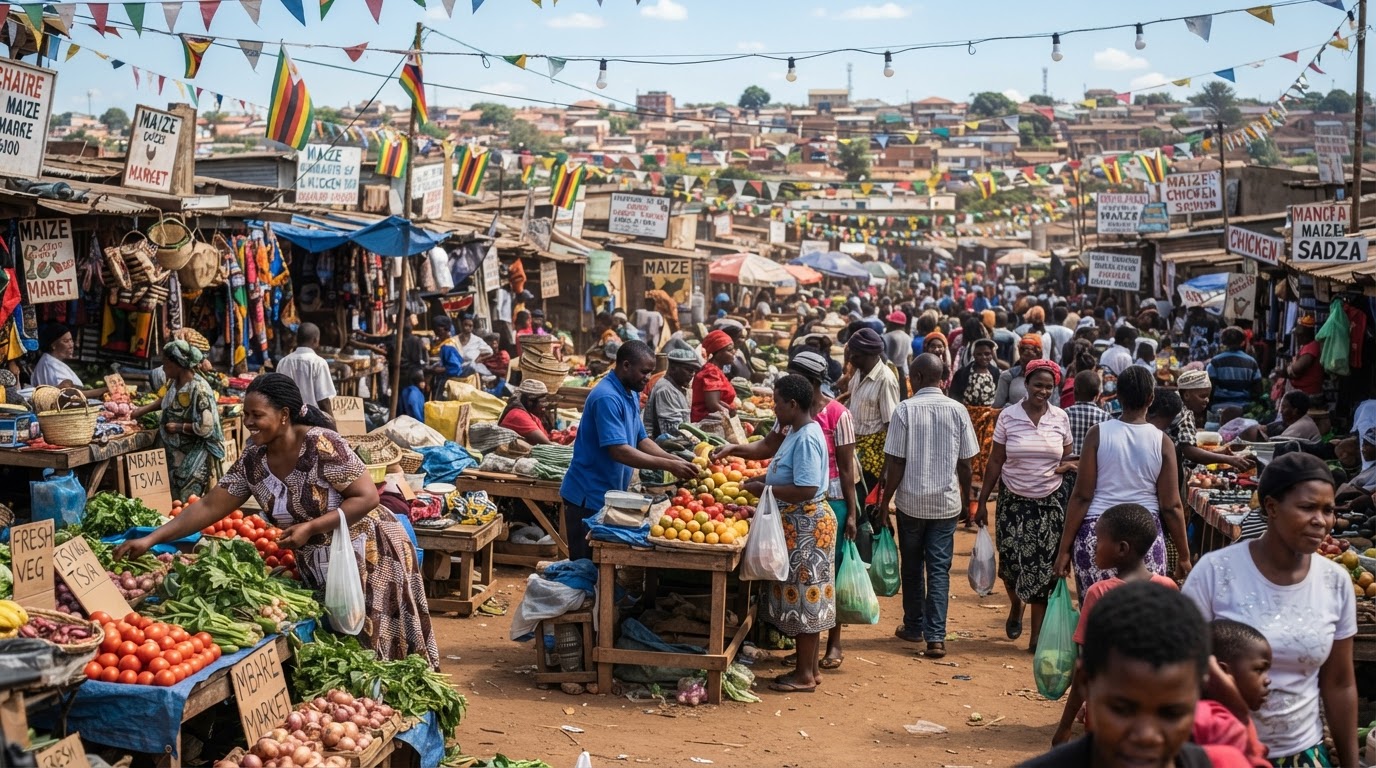
“Mining activities, truck drivers, cross-border traders and other mobile populations contribute to increased HIV transmission risks,” Shumba said. The province's mining economy draws workers from across the country, many of them young men living away from home for months at a time, in towns where transactional sex is part of the informal economy.
The pattern is not new, but the numbers show it has not gone away. The province has an estimated 155,919 people living with HIV, of whom 150,649 — 96.6 percent — know their status.
Women hit hardest
The burden is falling most heavily on women. Health authorities report that women accounted for 1,164 of the 1,925 new infections recorded across the province's eight districts last year — 60.5 percent of the total — compared with 761 among men. Women recorded more new infections than men in all eight districts, with Kwekwe recording the highest number among women at 307, followed by Gweru at 221.
There is progress to report as well. The Ministry of Health and Child Care says 129,045 people were tested between January and June 2026 against a target of 99,781 — exceeding the target by 29 percent. The province recorded a three percent HIV positivity rate, with all those tested receiving their results and all verified positive clients being started on treatment.
World AIDS Day ahead
The findings come a week before World AIDS Day on 1 December, which Midlands will mark in Shurugwi. The call from NAC is for improved access to prevention, testing and treatment, especially among young people, women and mining communities — in line with Zimbabwe's National HIV and AIDS Strategic Plan for 2026 to 2030, which prioritises high-burden communities, vulnerable populations and sustainable domestic financing.
Why this matters
The Midlands numbers show two truths at once: Zimbabwe's HIV response is working — testing is up, nearly everyone who is positive knows it, and treatment follows diagnosis. But new infections are still concentrated where the economy is most mobile and most informal, and they are still falling hardest on women. Closing that gap means taking prevention to the mining compounds, the truck stops and the trading towns — not waiting for people to come to the clinic.
Quick answers
What happened?
The National AIDS Council says Kwekwe (32,130) and Gweru (30,890) have the highest numbers of people living with HIV in Midlands Province.
What is driving it?
Artisanal mining, population mobility and transactional sex, according to NAC Midlands manager Mambewu Shumba.
Who is most affected?
Women accounted for 60.5% of new infections in the province last year — 1,164 of 1,925 cases.
What is the progress?
Testing exceeded its target in the first half of 2026, 96.6% of people living with HIV know their status, and all verified positive clients are started on treatment.
Reported by
Editorial Team
Published 23 November 2026
Get the next story first
The Times Zim briefing — free, every morning.