Catholic Bishops Warn Against 'Manjuzu' Mix of Faith and Fortune-Seeking in Advent Letter
The Zimbabwe Catholic Bishops' Conference has warned Christians against mixing their faith with practices that promise wealth, beauty or protection, in an Advent letter that also revisits the controversial constitutional amendment that ended direct presidential elections. The letter, titled "Prepare the Way of the Lord" and dated 27 November 2026, was signed by nine bishops led by the conference president, the Rt Rev Raymond Mupandasekwa, Bishop of Masvingo. It opens the new Church year and prepares Catholics spiritually for Christmas — and it uses the moment to speak as moral voices on faith and on the major issues facing Zimbabwe.
Summary
The Zimbabwe Catholic Bishops' Conference has warned Christians against mixing their faith with practices that promise wealth, beauty or protection, in an Advent letter that also revisits the controversial constitutional amendment that ended direct presidential elections. The letter, titled "Prepare the Way of the Lord" and dated 27 November 2026, was signed by nine bishops led by the conference president, the Rt Rev Raymond Mupandasekwa, Bishop of Masvingo. It opens the new Church year and prepares Catholics spiritually for Christmas — and it uses the moment to speak as moral voices on faith and on the major issues facing Zimbabwe.
The Zimbabwe Catholic Bishops' Conference has warned Christians against mixing their faith with practices that promise wealth, beauty or protection, in an Advent letter that also revisits the controversial constitutional amendment that ended direct presidential elections. The letter, titled "Prepare the Way of the Lord" and dated 27 November 2026, was signed by nine bishops led by the conference president, the Rt Rev Raymond Mupandasekwa, Bishop of Masvingo. It opens the new Church year and prepares Catholics spiritually for Christmas — and it uses the moment to speak as moral voices on faith and on the major issues facing Zimbabwe. At its centre is a warning about religious syncretism: the blending of Christian belief with other practices, followed at the same time. The bishops name the phenomenon known as Manjuzu, which they say is spreading through social media and affecting families — practices that link spiritual rituals to promises of wealth, beauty or status.
'No one can serve two masters'
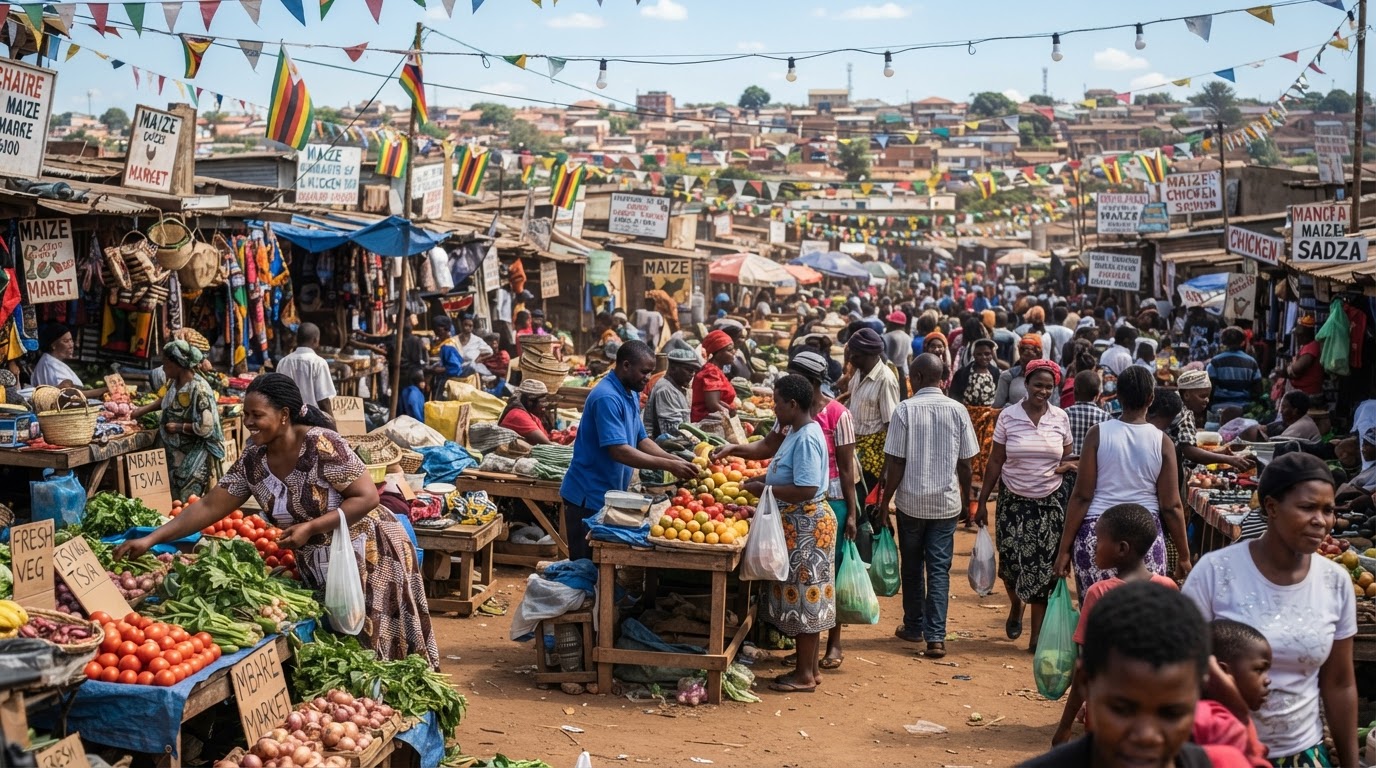
"Jesus teaches that no one can serve two masters," the bishops write, asking where Christians turn when illness, financial hardship or conflict enters the home. Advent, they say, brings Christians back to Bethlehem, where God came among people in poverty — and the child in the manger reminds believers that wealth is no measure of God's favour, and hardship does not mean God has abandoned them. The letter is careful to affirm cultural heritage while insisting that faith cannot serve two masters, and it asks priests, religious and lay pastoral leaders to listen patiently to those who bring these concerns — parishes should be places where young people can speak honestly about the pressures they face and where couples can seek help without shame. No one, the bishops say, should be condemned on the strength of a rumour, and no accusation should be used to justify mistreatment. Where there is harm or abuse, the safety of those affected must come first. The bishops also ask what makes promises of quick prosperity so persuasive. A young person who sees few prospects for decent work, or a parent struggling to provide for a household, needs a Church that listens and stands beside them, they say — and faith calls Christians to work for a society in which people can earn a living with dignity.
The amendment, vendors and the environment
The letter does not stop at faith. It revisits the bishops' concerns over Constitutional Amendment Bill No. 3 — now law as the Constitution of Zimbabwe Amendment (No. 3) Act of 2026 — which ended direct presidential elections, citing flawed consultation, intimidation and unanswered allegations. The bishops appeal to President Mnangagwa to listen to marginalised voices. It also addresses the removal of street vendors, corruption eroding the moral fabric of the country, and environmental plunder from gold panning and mining that is polluting rivers. And it warns of forecasts of El Niño-driven drought in 2026–2027, urging care for the poor and for creation. On the defence of life, the letter praises the Church's prior opposition to proposals to widen abortion, and calls for support for mothers in crisis. The letter concludes with calls for personal conversion, reconciliation and care for the poor, announces that Zimbabwe will host the 2027 MAZAZI bishops' meeting, reaffirms the country's consecration to Mary, Mother of God, and ends with a prayer for Zimbabwe and Southern Africa.
Why this matters
The Catholic bishops speak rarely, and when they do, Zimbabwe listens — their pastoral letters have long been among the few institutional voices willing to name corruption, constitutional overreach and economic hardship in the same breath. This one lands at a charged moment: weeks after the arrest of a prominent prophet on indecent assault allegations, in the middle of a festive season in which promises of quick prosperity — from pulpits and from online platforms — are at their most persuasive. The bishops' answer is deliberately unfashionable: that faith and fortune-seeking do not mix, and that a Church which listens is worth more than a ritual that promises.
Quick answers
What have the bishops said?
In an Advent letter dated 27 November 2026, they warned Christians against mixing faith with practices promising wealth, beauty or protection.
What is Manjuzu?
A form of religious syncretism the bishops say blends Christian belief with rituals linked to wealth and status, spreading via social media.
Who signed the letter?
Nine bishops, led by the Rt Rev Raymond Mupandasekwa, Bishop of Masvingo and conference president.
What did they say about the constitutional amendment?
They revisited concerns over Amendment No. 3 — now law — which ended direct presidential elections, citing flawed consultation and intimidation.
What else did the letter cover?
Street vendor removals, corruption, gold-panning pollution, a forecast El Niño drought, and support for mothers in crisis.
What is the letter for?
"Prepare the Way of the Lord" opens the new Church year and prepares Catholics spiritually for Christmas.
Reported by
Editorial Team
Published 28 November 2026
Get the next story first
The Times Zim briefing — free, every morning.